February 26, 2026
Homeowners and property managers have long viewed exterior areas as pleasant but secondary to interior design. Today, that mindset has changed. Outdoor environments now function as extensions of the home, contributing to comfort, wellness, aesthetics, and long-term value. Landscaping is no longer simply about trimming shrubs or adding a few flower beds. Instead, it has become an intentional design practice shaped by sustainability, innovation, and lifestyle needs. Understanding current trends helps homeowners make thoughtful choices that improve outdoor function while maintaining visual appeal. As industry practices evolve, these trends reveal how modern spaces are becoming greener, smarter, and more livable.
Embracing Sustainable and Climate-Responsive Designs
One of the most significant shifts in modern outdoor planning involves prioritizing sustainability. Property owners increasingly want landscapes that conserve water, support local ecosystems, and require fewer chemicals. This direction stems not only from environmental awareness but also from practical maintenance considerations. Sustainable landscaping encourages the use of native plants, rain gardens, permeable pavers, and mulching strategies that nourish soil naturally. These design decisions help outdoor areas thrive while reducing dependency on constant irrigation or fertilizers.
Climate-responsive design goes hand in hand with sustainability. Instead of forcing lawns or plants to adapt to unsuitable conditions, designers now choose vegetation aligned with local weather patterns. For example, drought-tolerant species in dry climates greatly reduce watering needs. Shaded planting areas help protect delicate species and stabilize soil temperatures. Over time, eco-friendly approaches support healthier yard systems and minimize erosion, pests, and disease. By combining environmental responsibility with appealing aesthetics, sustainable landscaping offers enduring benefits to both property owners and the surrounding community.
Creating Outdoor Living Areas With Purpose and Comfort
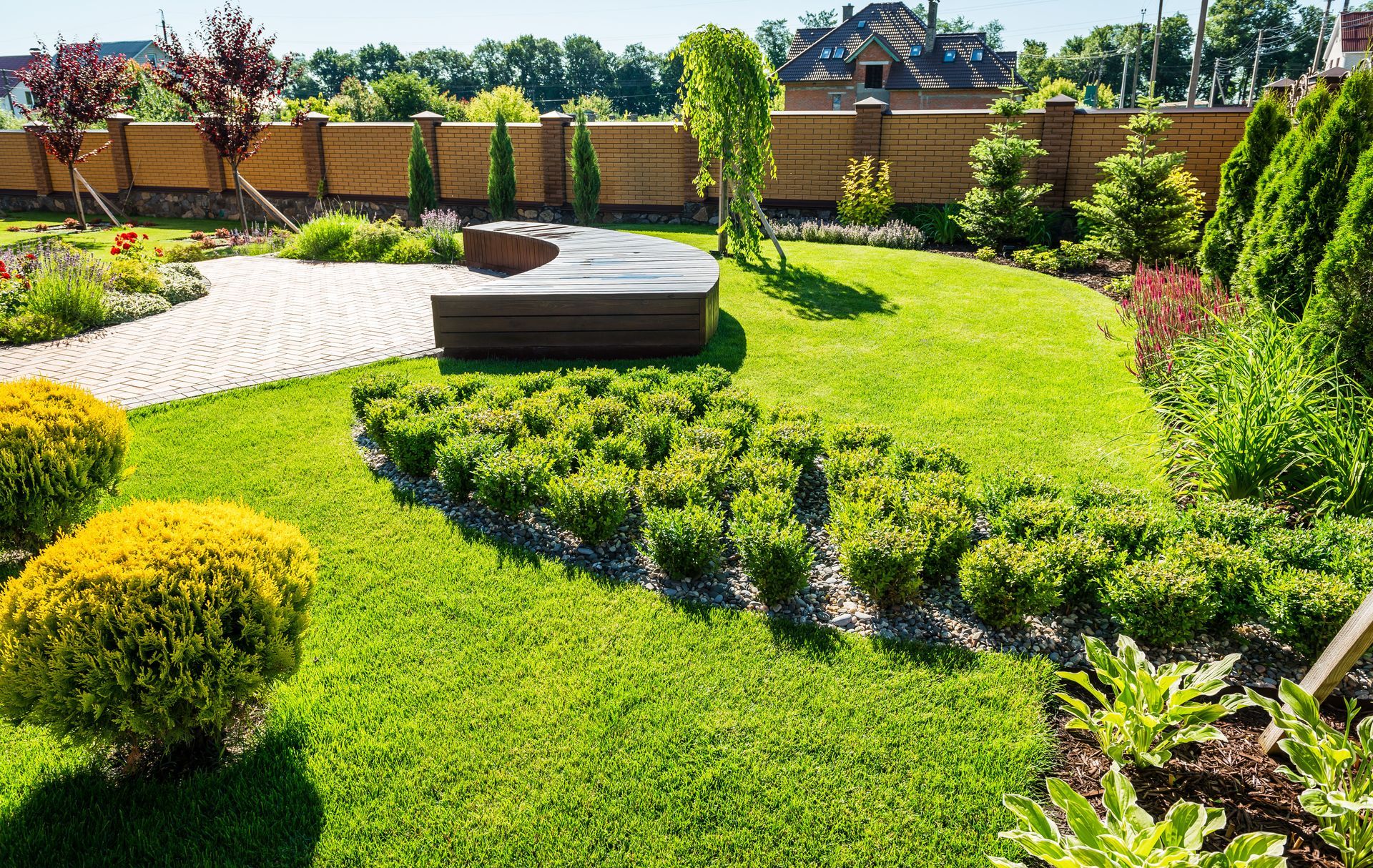
As lifestyles become more home-centered, outdoor living spaces are increasingly designed to function like additional rooms. Homeowners look for patios, pergolas, kitchens, fire features, and lounge spaces that encourage year-round use. Instead of being seasonal or purely decorative, these areas now support dining, relaxation, entertainment, and family gatherings. Thoughtful seating arrangements, layered lighting, and weather-resistant materials transform yards into welcoming extensions of the interior.
Comfort is not the only consideration. Designers are incorporating privacy elements, zoning, and flow to ensure outdoor environments feel cohesive. Green walls, shrubs, and structural accents subtly define different activity areas while maintaining visual openness. This approach allows families to enjoy multi-use backyards without overcrowding. Landscaping in this context becomes less about ornamentation and more about supporting daily living. When outdoor spaces function effectively, they increase overall property value and offer long-term enjoyment. In many homes, covered structures, shade solutions, and built-in storage further extend usability, helping people enjoy outdoor spaces through multiple seasons while keeping essentials organized and accessible.
Integrating Smart Technology and Efficient Systems
Technology has reshaped nearly every aspect of modern life, and outdoor design is no exception. Smart irrigation controllers, moisture sensors, and weather-adaptive systems are becoming standard features in contemporary landscapes. These tools allow homeowners to monitor water use, adjust schedules remotely, and ensure plants receive exactly what they need without excess. Over time, such systems conserve resources and prevent common problems like overwatering or soil degradation.
Lighting technology also plays a major role in current landscaping trends. LED pathway lights, solar fixtures, and programmable accent lighting enhance both safety and ambience. Automated systems can illuminate outdoor areas at dusk, highlight architectural features, and reduce energy consumption. Additionally, robotic lawn equipment and app-controlled maintenance tools provide convenience for busy households. When technology and landscaping work together, outdoor environments become more efficient, manageable, and better aligned with modern living expectations.
Prioritizing Low-Maintenance Beauty and Practicality
Many homeowners appreciate attractive yards but prefer not to spend every weekend maintaining them. As a result, low-maintenance design has surged in popularity. This approach relies on hardy plants, simplified garden layouts, stone features, and ground covers that reduce mowing and trimming. By selecting durable materials and long-lasting finishes, designers create landscapes that retain beauty without constant attention. Drip irrigation systems, strategic mulching, and smart plant placement further reduce the time required for routine care while promoting healthier soil.
Low-maintenance strategies also benefit aging homeowners or individuals who want outdoor beauty without physical strain. Minimalist plant arrangements, evergreen elements, and structured beds create order while requiring less seasonal work. Maintenance often becomes more about occasional upkeep rather than weekly chores. Importantly, this trend does not sacrifice visual interest. Instead, it highlights texture, color contrast, and thoughtful placement. Landscaping designed for ease of care ultimately helps outdoor spaces remain attractive year after year, even as lifestyles change or mobility becomes limited.
Supporting Biodiversity and Pollinator-Friendly Habitats
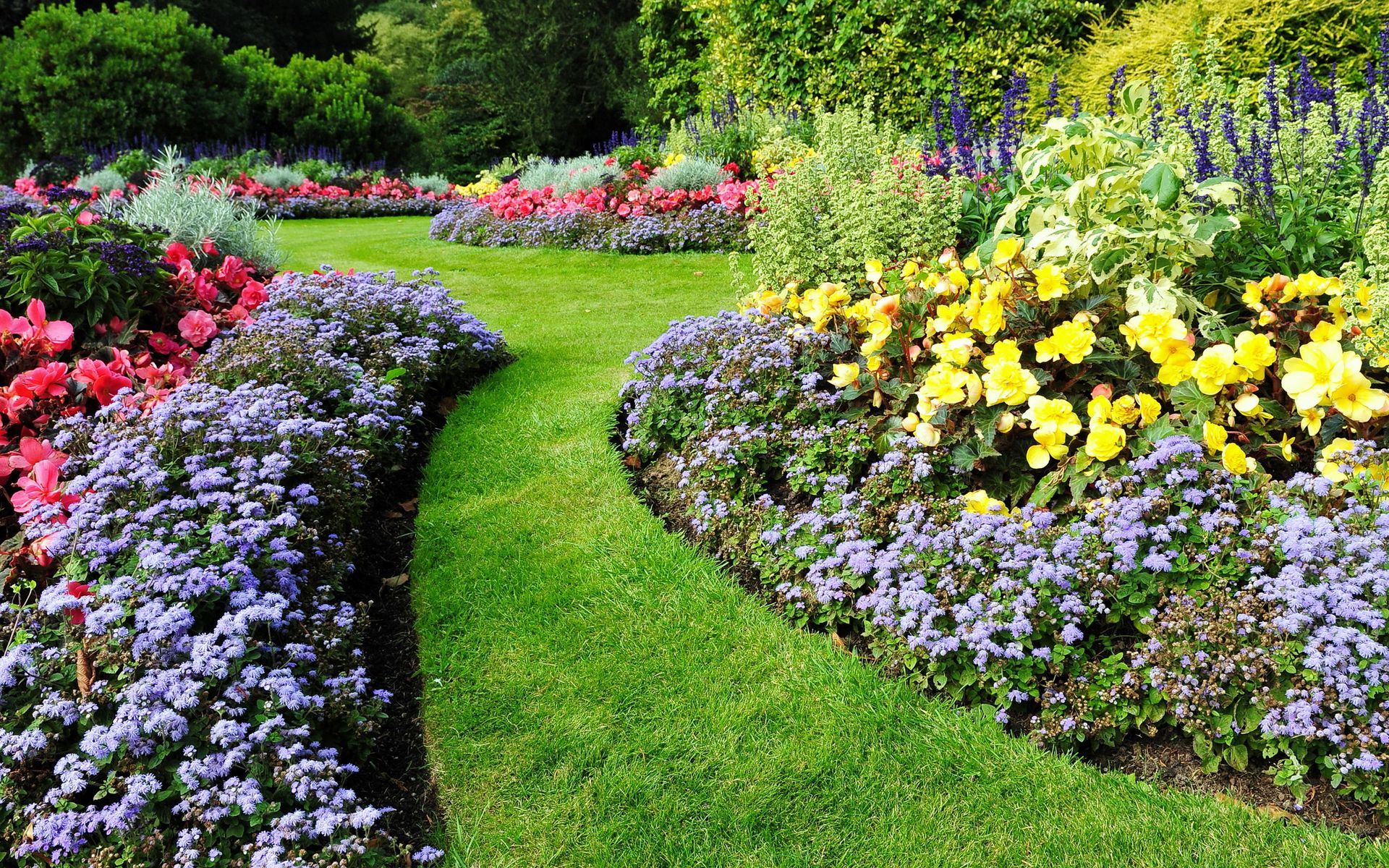
Another notable trend involves designing outdoor spaces that actively support wildlife. Pollinator gardens, bird-friendly plantings, and naturalized sections contribute to broader ecological health. By including flowering species that bloom throughout multiple seasons, homeowners help sustain bees, butterflies, and beneficial insects. Native shrubs and trees provide shelter for birds and small mammals, creating balanced ecosystems within residential environments.
This movement also reflects public interest in environmental stewardship. Instead of manicured lawns alone, homeowners now appreciate layered landscapes that feel more natural and dynamic. Composting areas, leaf-retention strategies, and organic pest control further reduce the environmental footprint. Incorporating biodiversity aligns aesthetics with purpose and encourages greater connection to the natural world. When carefully planned, these landscapes remain visually pleasing while offering important ecological advantages.
Recognizing How Lawn Care Continues to Evolve
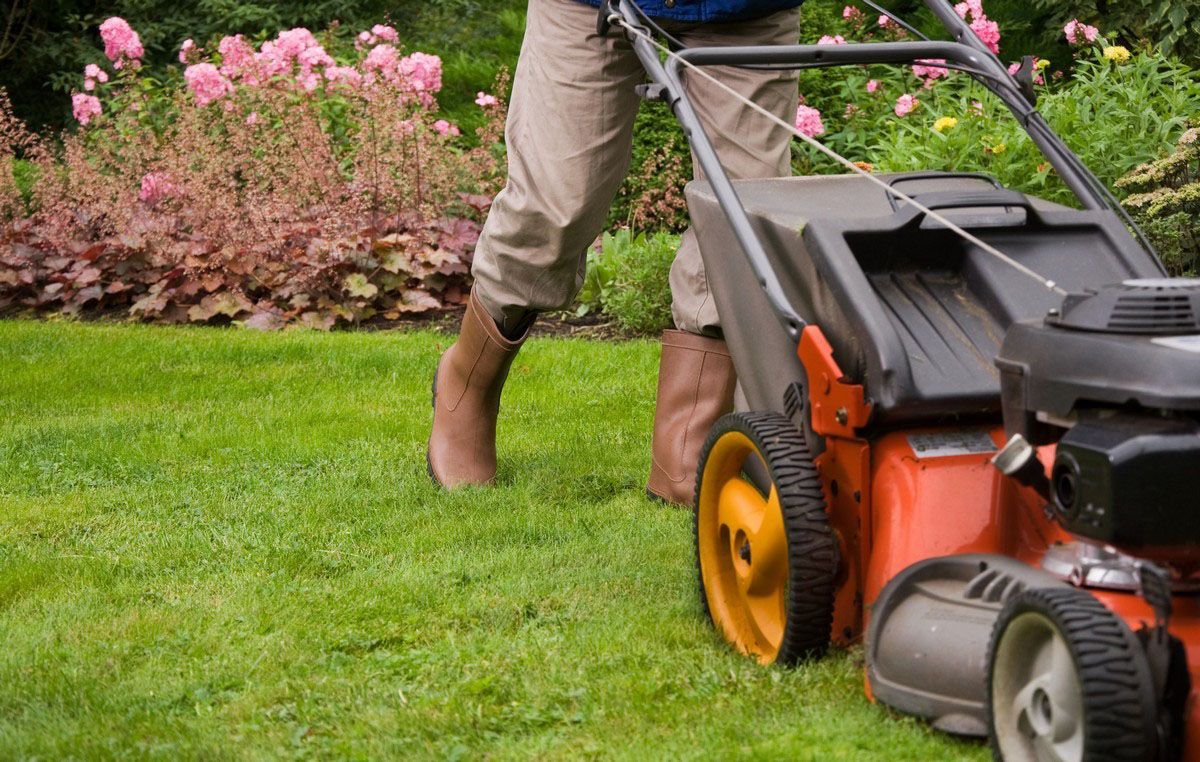
While modern outdoor design emphasizes technology and sustainability, traditional lawn care still plays a significant role in the industry. However, expectations related to maintenance have changed. Homeowners now prioritize healthier turf management practices, periodic aeration, soil testing, and responsible fertilization. These methods help lawns thrive without unnecessary environmental impact.
Industry data reflects this shift. According to Statista, 32% of landscaping companies say lawn care maintenance is their fastest-growing service. This growth highlights the importance homeowners place on preserving attractive lawns while adapting to evolving best practices. Professional guidance often helps property owners balance beauty with resource conservation, particularly in areas where weather patterns and soil conditions require specialized care. When combined with modern design concepts, thoughtful lawn management remains an essential element of comprehensive landscaping.
Blending Aesthetics With Function Across All Design Decisions
Perhaps the clearest trend shaping outdoor spaces today is the fusion of style and practicality. Every design element—from pathways to plant beds—serves both visual and functional purposes. Materials are chosen not only for appearance but also for durability. Layouts encourage natural movement through the yard while ensuring safety and accessibility. Color palettes harmonize with home architecture, creating unified designs that feel intentional rather than pieced together.
This holistic perspective allows outdoor areas to support daily routines, family gatherings, and quiet retreat moments all at once. Landscaping in the modern era emphasizes experience as much as appearance. Whether enhancing sustainability, improving comfort, or increasing usability, each trend demonstrates how outdoor environments have evolved into integral parts of the home. Thoughtful planning ensures these spaces remain welcoming and adaptable far into the future.
Ultimately, staying informed about emerging approaches empowers homeowners to make decisions that align with personal goals, environmental responsibility, and long-term value. By recognizing how trends continue to shape design, individuals can invest confidently in outdoor spaces that enrich everyday life while maintaining enduring appeal. Call Mario Forgione Landscaping, Ltd. today to schedule your landscaping or maintenance service.